NYPD Disqualification Appeal Lawyer
How to Reverse a Psychological, Medical, or Background Disqualification
If you received a Notice of Proposed Disqualification (NOPD) or a Final Notice of Disqualification from the NYPD, your career is not over.
You have a limited window — typically 30 days — to protect your future.
For more than 22 years, the Law Office of Kevin P. Sheerin has represented candidates disqualified from the NYPD, FDNY, DOC, and other civil service agencies.
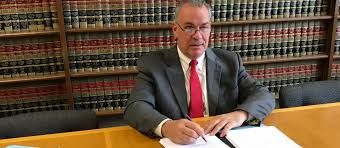
Kevin P. Sheerin is a former NYPD Lieutenant, former NYPD Legal Bureau attorney, and an attorney with more than 22 years of experience representing civil service candidates in disqualification appeals.
Call: (631) 239-5825
Email: kevin@sheerinlaw.com
Understanding the NYPD Disqualification Process
The NYPD hiring process is one of the most rigorous in the country. After passing the civil service exam, candidates undergo background investigation, psychological evaluation, medical screening, character review, drug screening, and document verification.
At any stage, the Department may issue a Notice of Proposed Disqualification, commonly known as an NOPD.
An NOPD does not mean you are permanently disqualified. It means the Department intends to disqualify you unless you respond effectively and on time.
What Is a Notice of Proposed Disqualification (NOPD)?
An NOPD is the first formal step toward removal from the eligible list. It usually advises the candidate that the Department intends to disqualify the candidate, that the candidate has an opportunity to respond, and that the response must be made within a limited period of time, often approximately 30 days.
This is the first major opportunity to reverse the decision. Many candidates make the mistake of submitting an emotional letter, an apology, or a brief personal explanation without proper legal framing or supporting evidence.
An effective NOPD response may require expert documentation, an individualized rebuttal, and legal argument showing that the proposed disqualification is not supported by substantial evidence.
What Happens After a Final Notice of Disqualification?
If the NOPD response is rejected, the candidate may receive a Final Notice of Disqualification. At that point, the matter may be appealed to the New York City Civil Service Commission.
The Civil Service Commission functions as an appellate body. It reviews whether the agency acted arbitrarily or capriciously, whether the determination was supported by substantial evidence, whether proper procedures were followed, and whether an individualized assessment was conducted.
Because this is a formal appellate stage, the quality of the written submission matters tremendously.
NYPD Psychological Disqualification Appeals
Psychological disqualifications are among the most common reasons candidates are denied appointment. Common allegations include immaturity, poor judgment, integrity concerns, emotional instability, impulse control issues, prior therapy history, ADHD history, anxiety history, or employment conflicts.
The NYPD psychological screening process may include interviews and standardized testing. However, a psychological disqualification must still be based on an individualized and supportable assessment.
A strong psychological appeal may include an independent forensic psychological evaluation, review of testing, a structured rebuttal analysis, and legal argument showing that the candidate is currently suitable to perform the duties of a police officer.
Past counseling or treatment does not automatically disqualify a candidate. The important issue is present functioning, present stability, and present suitability.
NYPD Medical Disqualification Appeals
Medical disqualifications may involve asthma history, pulmonary function testing, cardiac findings, orthopedic injuries, vision standards, hearing standards, rhabdomyolysis, neurological history, or other medical conditions.
In some cases, the Department may rely on broad standards or generalized medical assumptions. A proper appeal may challenge whether the agency adequately considered the candidate’s actual present condition, current functional ability, specialist evaluations, or more complete medical evidence.
A strong medical appeal may require coordination with treating physicians, specialists, and independent experts who can explain why the candidate is capable of safely performing the essential functions of the position.
Background and Character Disqualifications
Background or character disqualifications may involve prior arrests, dismissed cases, marijuana history, credit issues, omissions, employment discipline, or social media concerns.
Civil service law does not require a candidate to have lived a perfect life. Instead, the proper inquiry is whether the candidate is currently fit and suitable for appointment.
Relevant factors often include severity, recency, rehabilitation, candor, and whether the issue reflects a pattern of conduct or an isolated event. A single youthful mistake should not automatically end a candidate’s law enforcement career.
The Legal Standard in a Civil Service Appeal
In a civil service appeal, the Commission examines whether the agency’s determination was arbitrary and capricious, unsupported by substantial evidence, or made without proper consideration of the full record.
The Commission does not simply retry the case from scratch. Instead, it carefully reviews the basis for the determination and whether the record supports the agency’s conclusion.
This is why precision in legal writing, organization of evidence, and expert support are so important. The appeal must show that the decision was not justified under the applicable standard.
Why Experience Matters in NYPD Appeals
An NYPD disqualification appeal is not a general personal injury case or a routine legal matter. It is a specialized administrative civil service appeal that requires knowledge of agency procedure, evidentiary presentation, and the standards applied by the Civil Service Commission.
Kevin P. Sheerin served in the NYPD, worked in the NYPD Legal Bureau, and has represented civil service candidates for more than 22 years. That experience provides valuable insight into how these cases are reviewed, argued, and presented.
Few attorneys combine law enforcement experience with decades of focused civil service appellate advocacy.
What To Do After Receiving an NOPD
First, do not panic. Second, confirm the deadline immediately. Third, preserve all records, notices, and supporting documents. Fourth, do not submit a rushed or emotional response. Fifth, consult experienced counsel as quickly as possible.
Time matters in these cases. Strategy matters as well. A delay of even a few days can reduce the ability to gather records, retain experts, and prepare a strong submission.
Why Early Strategy Makes a Difference
Many candidates wait too long before seeking help. By then, deadlines may be close, records may be incomplete, expert evaluations may be difficult to schedule, and a weak self-prepared response may already have been submitted.
Early legal strategy allows the case to be framed correctly from the start. It gives the candidate a better chance to assemble evidence, obtain meaningful expert support, and present the strongest possible argument.
What Makes an Appeal Strong?
A strong appeal is usually organized, documented, and targeted to the exact reasons for the proposed or final disqualification. It often includes expert analysis, direct rebuttal of stated concerns, legal argument based on civil service principles, and a professional presentation of the evidence.
The goal is not simply to argue emotionally that the candidate deserves the job. The goal is to demonstrate, with evidence and reasoning, that the disqualification was not justified under the law.
The Cost of Doing Nothing
Failure to appeal may result in removal from the eligible list, loss of academy opportunity, the need to retake the examination process, or years of delay in pursuing a law enforcement career.
Because the time to act is limited, a prompt and well-prepared response is essential.
Frequently Asked Questions
How long do I have to appeal an NYPD disqualification?
In many cases, the deadline is approximately 30 days from the date of the notice. The exact deadline should always be confirmed from the notice itself.
Can I win an NYPD psychological disqualification appeal?
Yes. Psychological disqualification appeals can be successful when they are supported by a strong independent evaluation, persuasive documentation, and effective legal advocacy.
Does prior counseling automatically disqualify me?
No. Prior counseling, treatment, or therapy does not automatically disqualify a candidate. The issue is whether the candidate is presently suitable for appointment.
What happens at a Civil Service Commission hearing?
The Commission reviews the written submissions and, in some cases, may conduct a hearing to examine the issues raised in the appeal.
Should I represent myself?
Candidates may attempt to represent themselves, but these appeals involve procedural, evidentiary, and legal issues that can significantly affect the outcome. Experienced representation can make an important difference.
Speak With an NYPD Disqualification Appeal Lawyer
If you received a Notice of Proposed Disqualification, a Final Notice of Disqualification, or you were disqualified for psychological, medical, or background reasons, you may still have options.
Law Office of Kevin P. Sheerin
Melville, New York
Serving candidates throughout the NY tri-state area by phone and video consultation.
Call: (631) 239-5825
Email: kevin@sheerinlaw.com
Final Thoughts
An NYPD disqualification is not necessarily the end of your career. It is the beginning of a legal process that may be challenged through a properly prepared appeal.
With supporting documentation, effective legal advocacy, and a carefully structured presentation, reversals are possible. Time matters, strategy matters, and experience matters.
If your goal is to serve in law enforcement, take action promptly and protect your rights.
About The Author

Be First to Comment